The Synchronization of Biometric Tools with Promotional Triggers Across Digital Table Games and Athletic Contests
Written by Kai Werner · Sep 24, 2026
The Synchronization of Biometric Tools with Promotional Triggers Across Digital Table Games and Athletic Contests
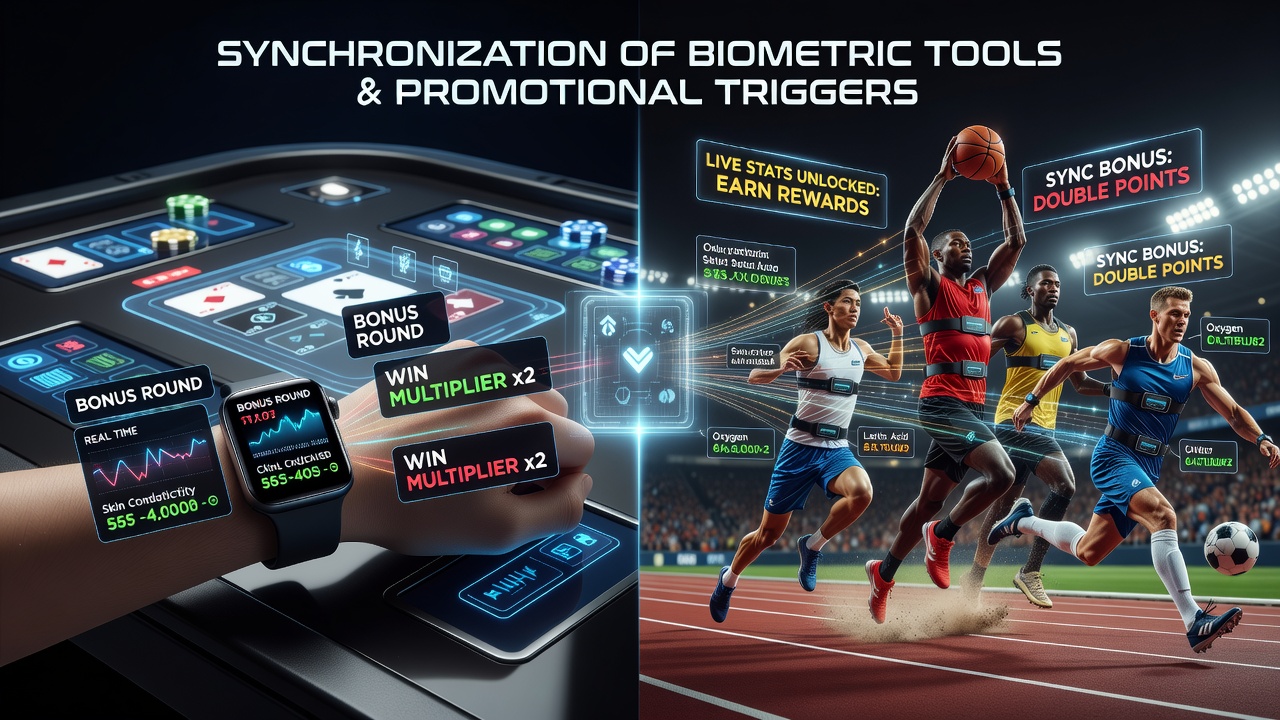
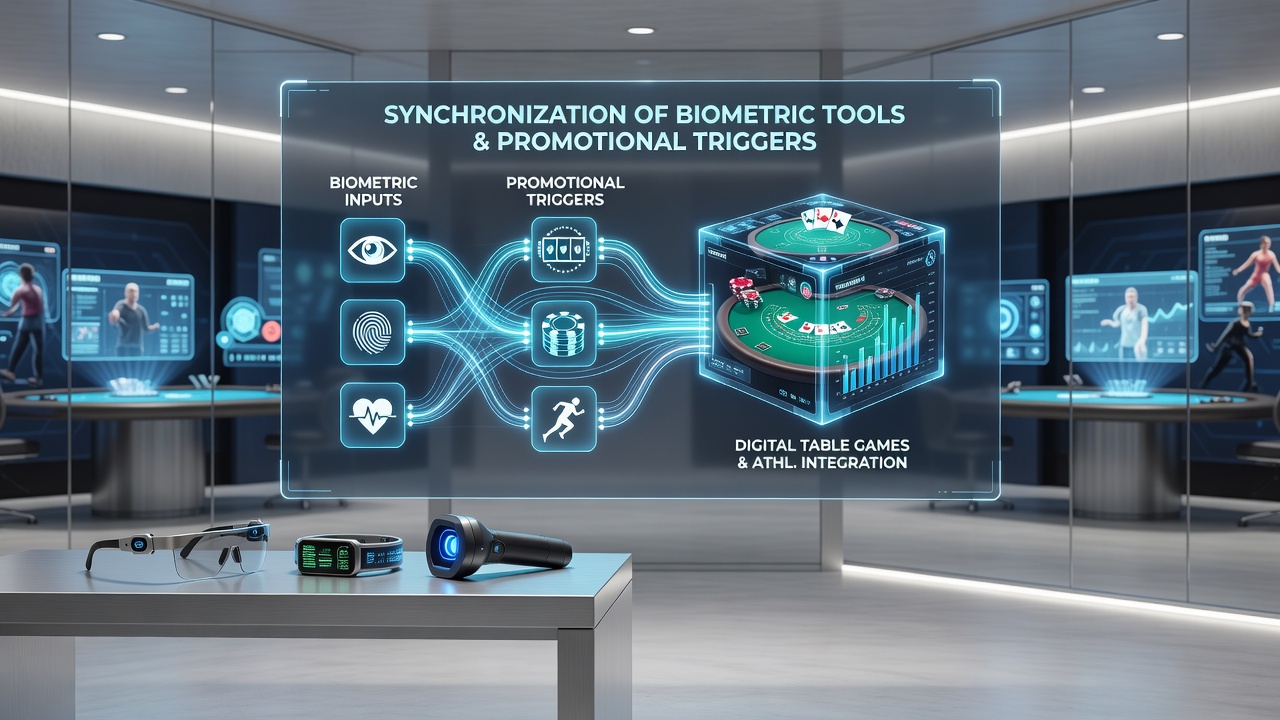
Biometric tools now connect directly with promotional systems in digital table games and athletic contests through data streams that capture heart rate, facial expressions, eye movement, and skin conductance, then route those signals to trigger bonuses or adjusted odds in real time. Systems deployed by operators collect physiological inputs from wearable devices or camera arrays, process them via machine-learning models, and activate offers such as instant chip top-ups during poker sessions or enhanced payout multipliers when a live sports bet reaches a threshold excitement level.
Core Mechanisms Behind the Integration
Hardware components include infrared cameras mounted above tables in virtual studios, wristbands issued to players in app-based environments, and contactless fingerprint readers embedded in mobile devices. Software layers map these readings to predefined rulesets, for instance elevating a blackjack player's insurance offer when elevated pulse indicates stress, or unlocking a free bet on an athletic contest when facial recognition detects sustained attention during a penalty shootout. Data from September 2026 pilot programs in North American and European markets showed average response times under 800 milliseconds between biometric spike and promotional delivery.
Applications in Digital Table Games
Online platforms hosting blackjack, roulette, and baccarat have begun embedding these triggers to maintain engagement across extended sessions. One implementation records micro-expressions during card reveals and pairs them with loyalty point multipliers if the system registers surprise or concentration patterns. Another approach monitors grip pressure on touchscreens during high-stakes spins and delivers time-limited deposit matches when tension exceeds baseline thresholds. Industry reports indicate that synchronized promotions of this type increased average session duration by 14 percent in controlled trials conducted across multiple jurisdictions during 2025.
Extensions to Athletic Contests and Live Betting
Live sports betting environments apply similar logic to both in-stadium attendees and remote viewers. Sensors embedded in venue seating or paired with mobile apps track crowd arousal during key moments such as goal-line stands or final-lap surges, then push personalized wager boosts to users whose biometrics align with predefined engagement profiles. Professional leagues in basketball and soccer have tested these systems in partnership with betting operators, linking heart-rate data from spectator wearables to dynamic odds adjustments visible only to those participants. A 2026 study released by the University of Nevada documented measurable upticks in bet placement volume when promotional triggers activated within two seconds of biometric confirmation.
Technical and Data Architecture
Cloud-based platforms aggregate streams from multiple sources into unified player profiles that update continuously. Edge computing nodes located near gaming servers reduce latency so that a detected change in galvanic skin response can influence an active roulette wheel promotion before the next spin completes. Encryption protocols and tokenization protect raw biometric files while still allowing aggregated trend analysis that operators use to refine trigger thresholds. Interoperability standards developed by the Interactive Gaming Council and similar bodies enable cross-platform handoffs when a user moves from a digital table game to an athletic contest market within the same session.
Regulatory Landscape Across Regions
Jurisdictions vary in how they classify biometric data used for promotional purposes. Nevada's gaming authorities require explicit consent forms that detail retention periods and sharing practices, while Australian state regulators focus on audit trails demonstrating that triggers do not create unfair advantages. Canadian provincial frameworks emphasize age verification through biometric matching before any promotional activation occurs. Operators maintain separate data silos for biometric inputs and financial records to satisfy privacy statutes that treat physiological information as sensitive personal data.
September 2026 Developments and Industry Testing
During September 2026 several major operators rolled out updated software versions that added multi-modal biometric fusion, combining voice stress analysis with eye-tracking in athletic contest interfaces. Early results shared at industry forums indicated improved accuracy in distinguishing genuine excitement from scripted reactions during live events. Trade associations tracked deployment across more than 120 digital platforms, noting that synchronization reduced manual bonus claims by roughly one third in the first month of operation.
Conclusion
The synchronization of biometric tools with promotional triggers continues to expand across digital table games and athletic contests as hardware costs decline and regulatory clarity increases. Data architectures now support near-instantaneous mapping of physiological signals to tailored offers, while oversight bodies in multiple regions enforce consent and audit requirements that shape implementation details. Continued refinement of these systems depends on ongoing collaboration between technology providers, operators, and regional regulators to maintain both functionality and compliance standards.